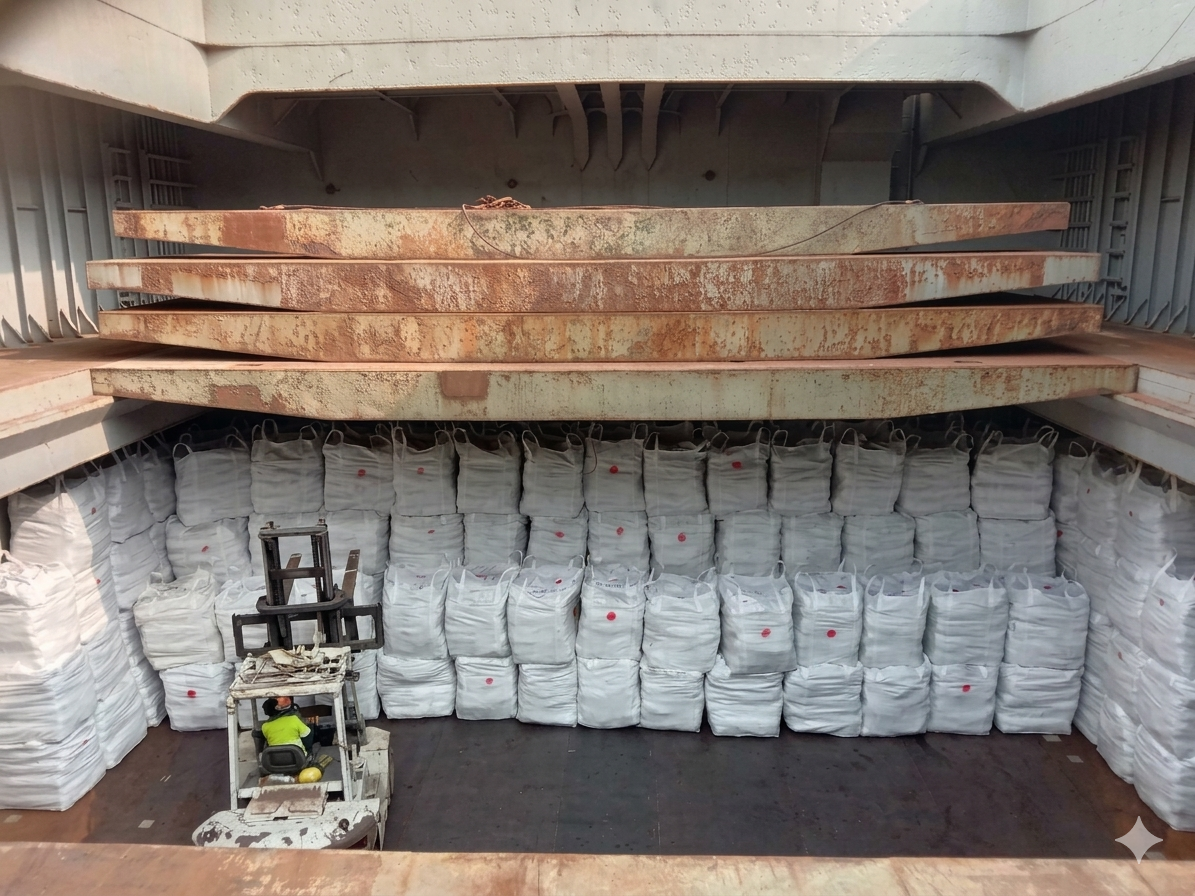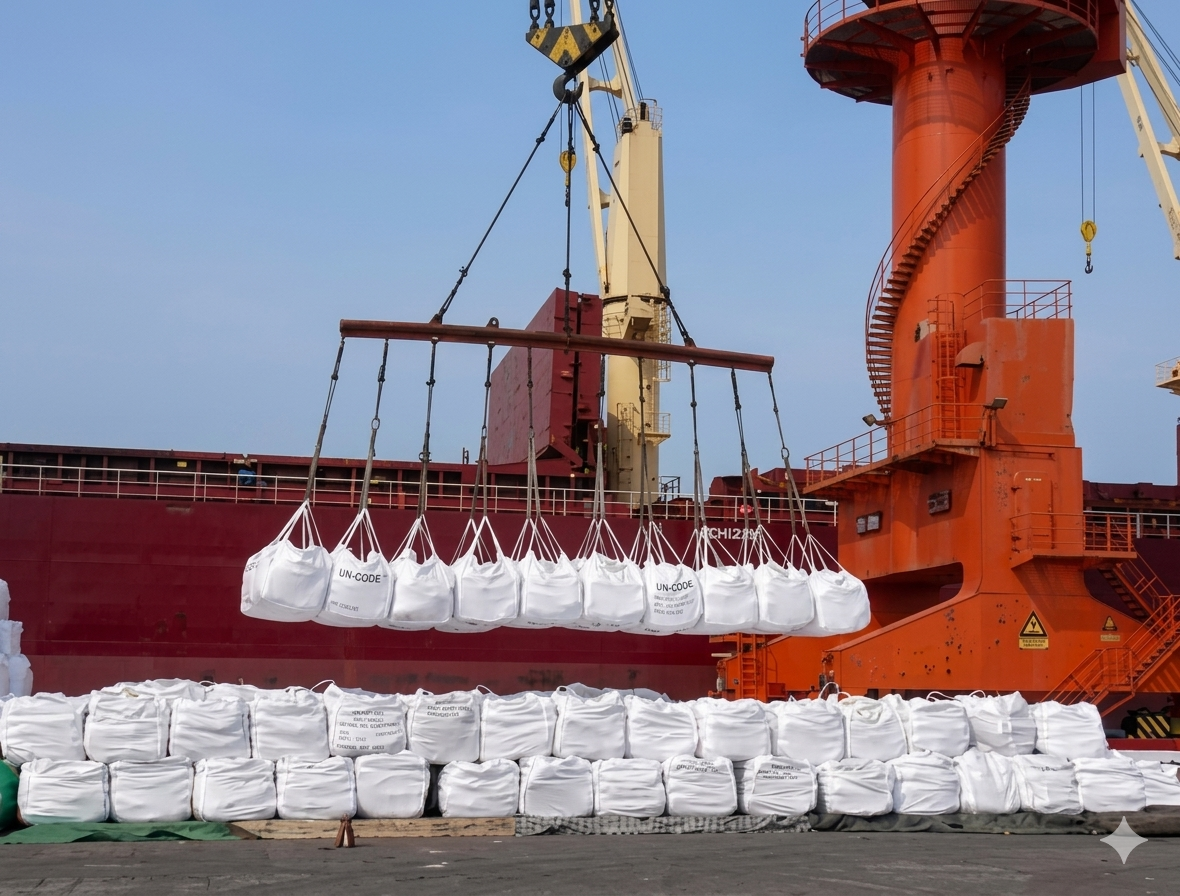
These bags are ideal for transporting and storing bulk building materials like cement, sand, gravel, and debris. They can be designed to fit on pallets for easy lifting and stacking with forklifts.
In the food industry, FIBC bags are used to store and transport dry ingredients like flour, sugar, grains, and even some non-perishable snacks. Breathable variants allow air circulation to prevent spoilage.
Chemical-resistant FIBC bags are used to safely store and transport various chemicals, including fertilizers, pesticides, and industrial powders.
Due to their ability to contain loose materials, FIBC bags are widely used to transport minerals, powdered substances, and even ore concentrates.
Agricultural products like grains, pulses, animal feeds, and fertilizers are efficiently packed and shipped using FIBC bulk bags. Their sturdy build helps maintain product shape while saving space during transportation.
These bags also find uses in transporting textiles, animal feed, coal, and even for collecting and storing industrial waste and commercial cleaning products.
Flexible Intermediate Bulk Containers (FIBCs), commonly known as bulk bags, offer an efficient solution for bulk storage, handling, and space optimization in contemporary warehouse settings.
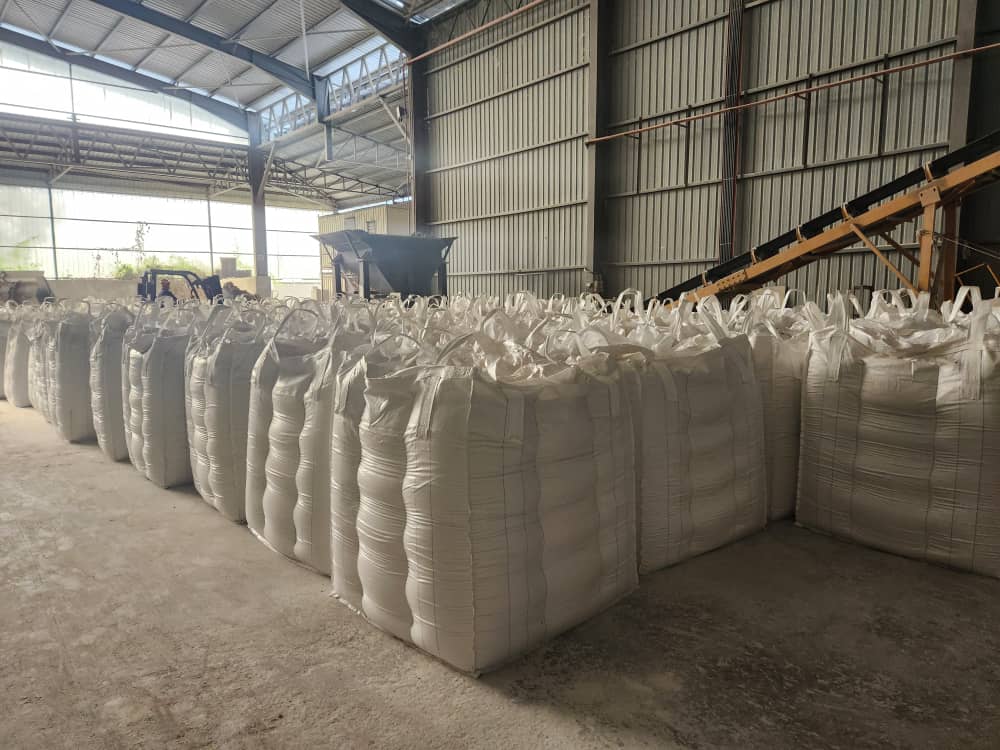
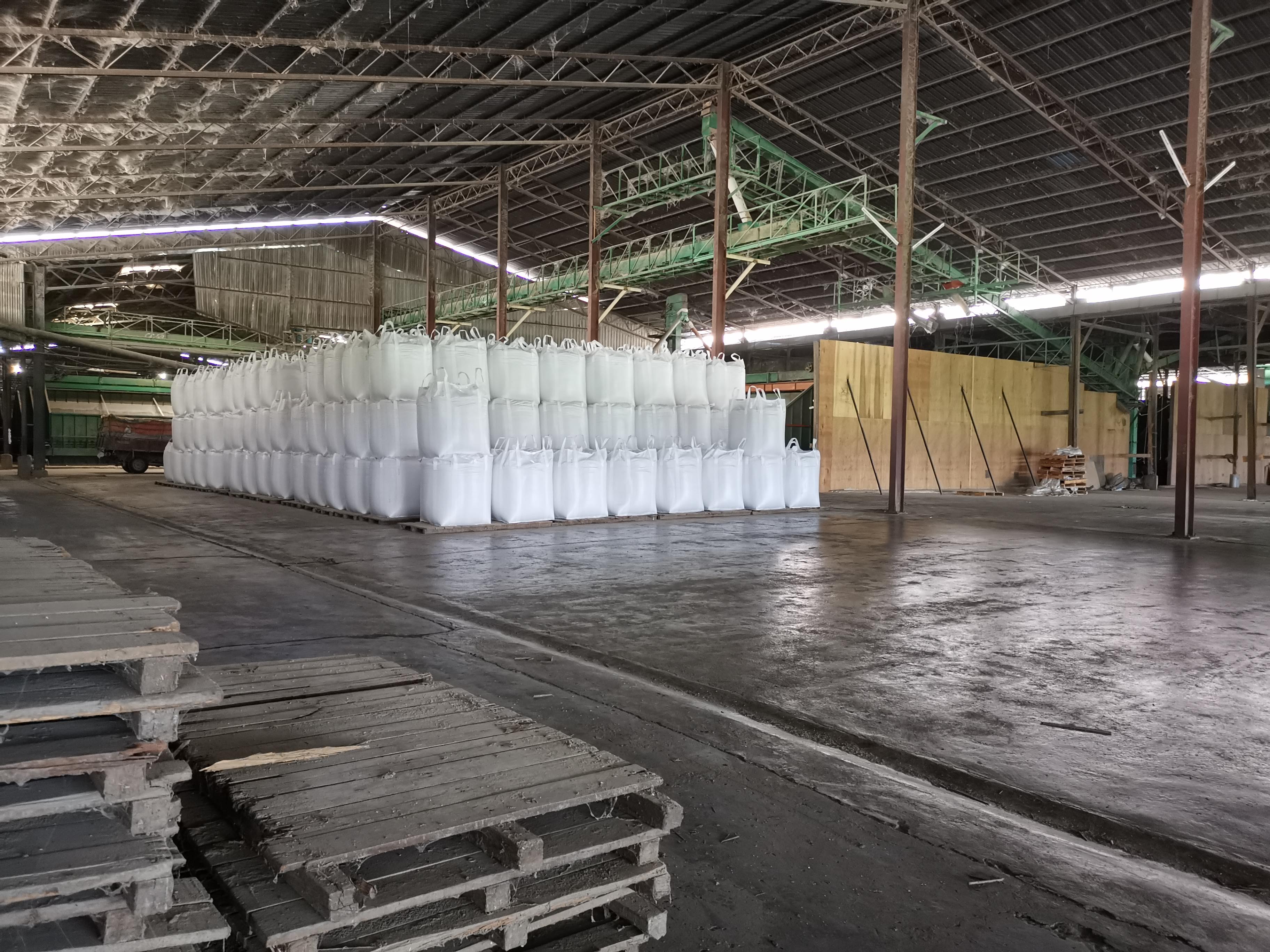
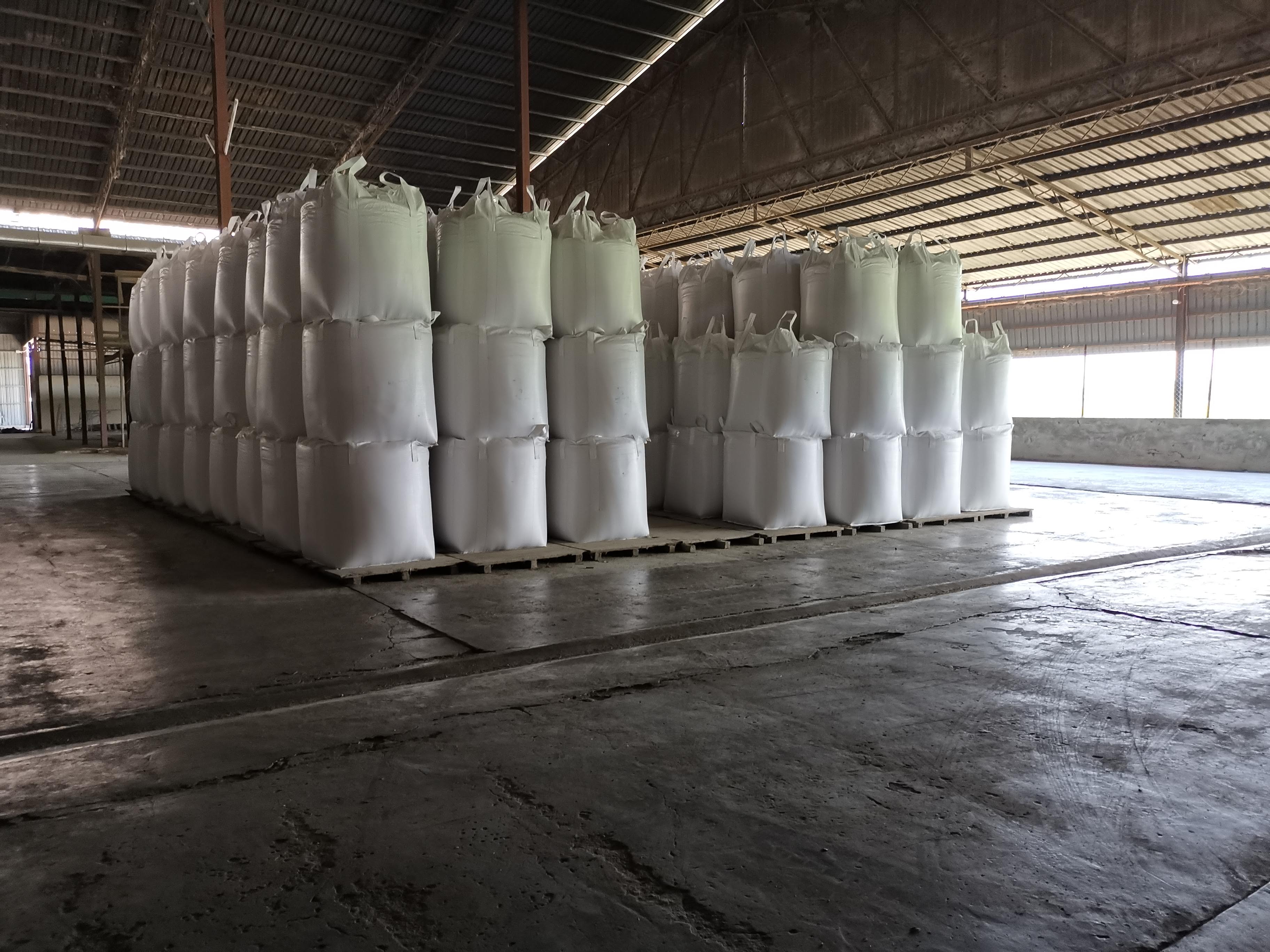
Bulk bags are industrial containers designed for the storage and transportation of dry, flowable products within shipping containers.
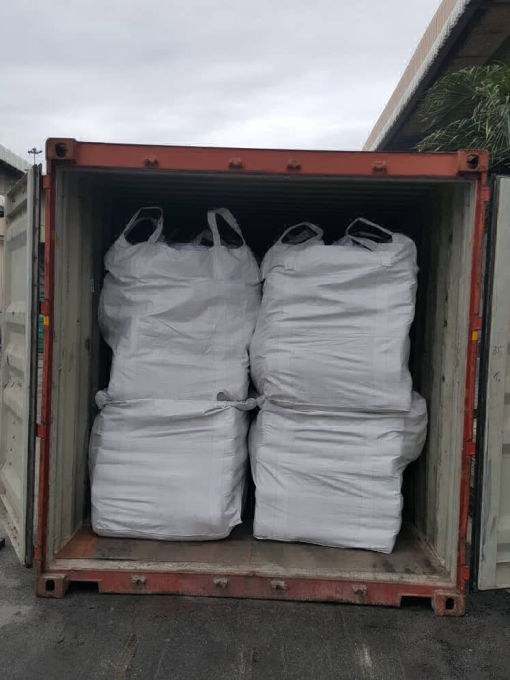
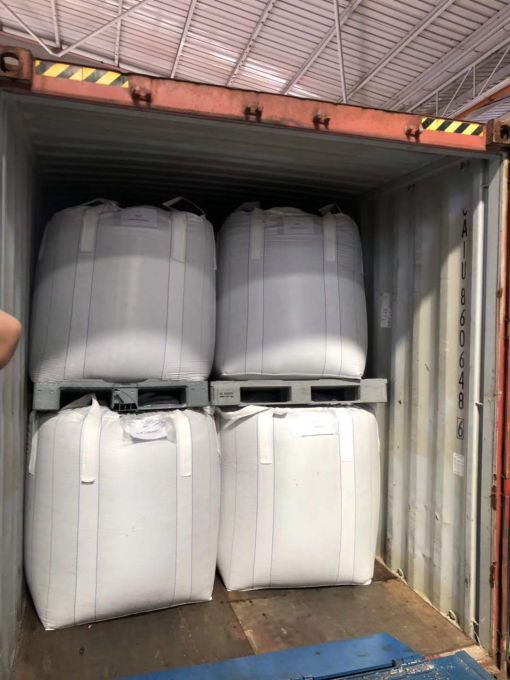
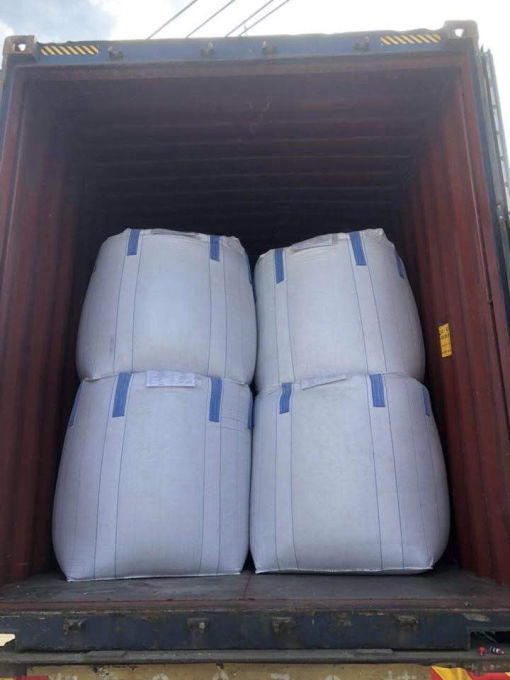
Forklifts are the main vehicles employed for their transportation.
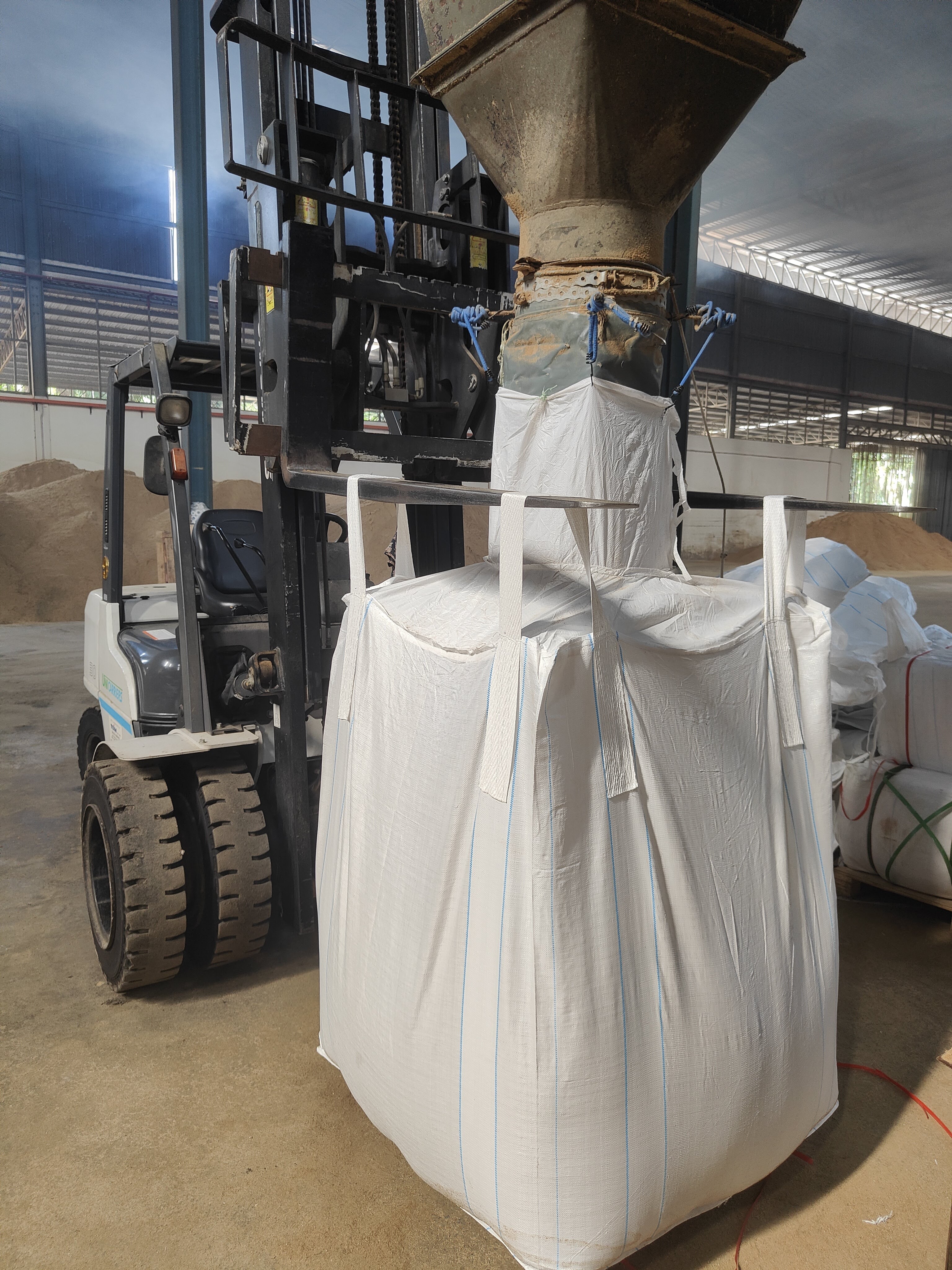
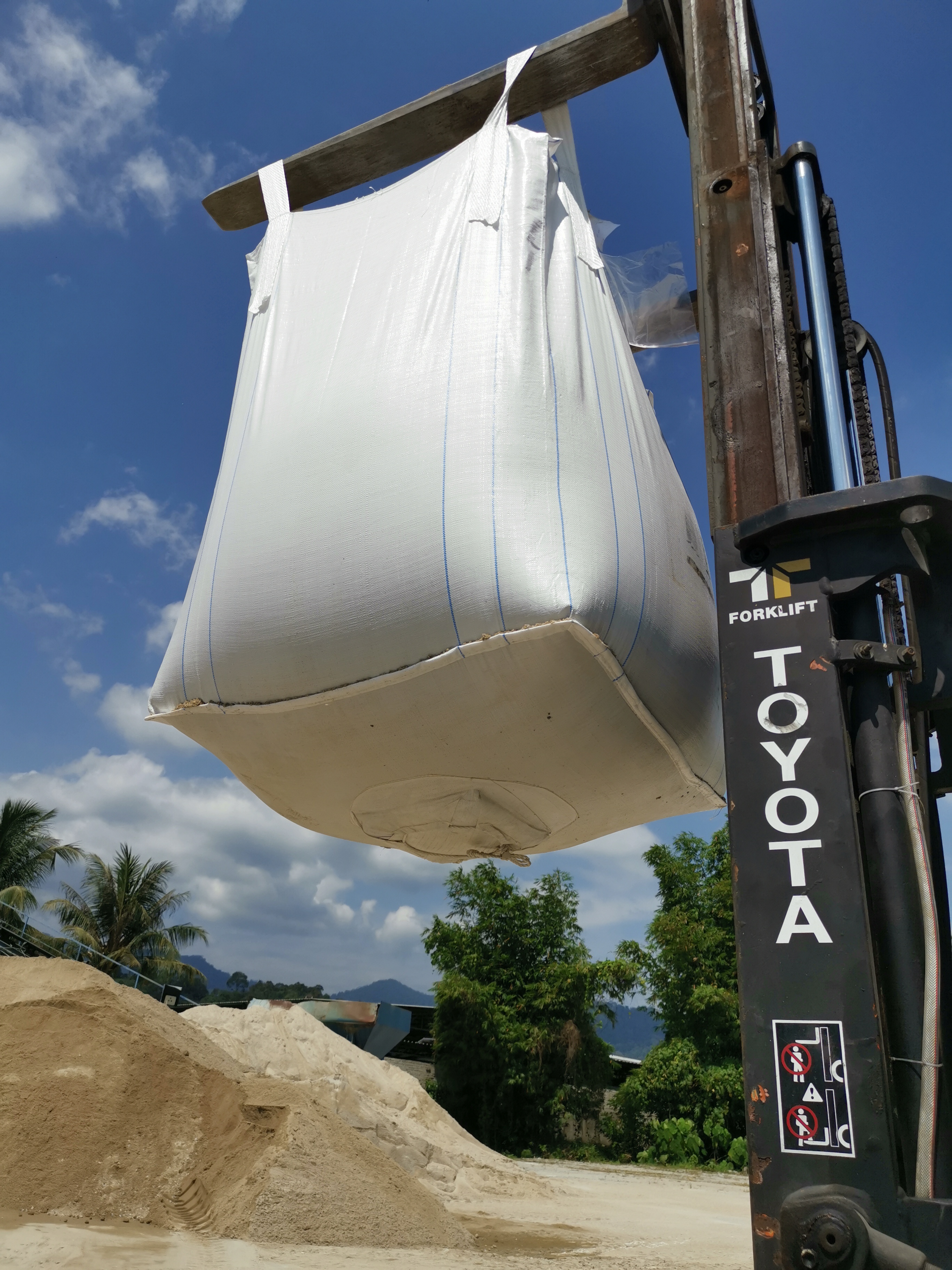
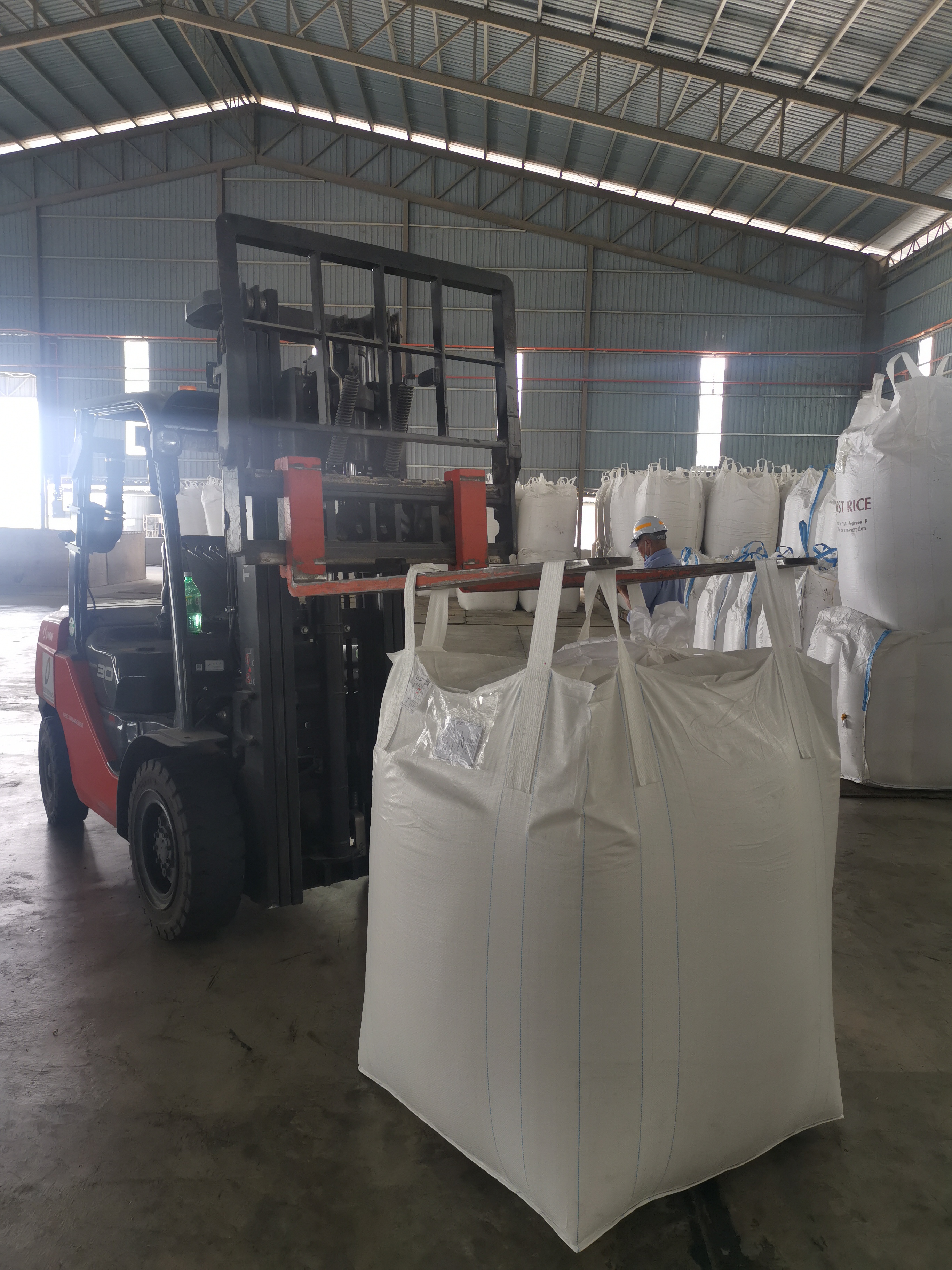
Transporting Flexible Intermediate Bulk Containers (FIBCs) by truck optimizes cargo capacity.
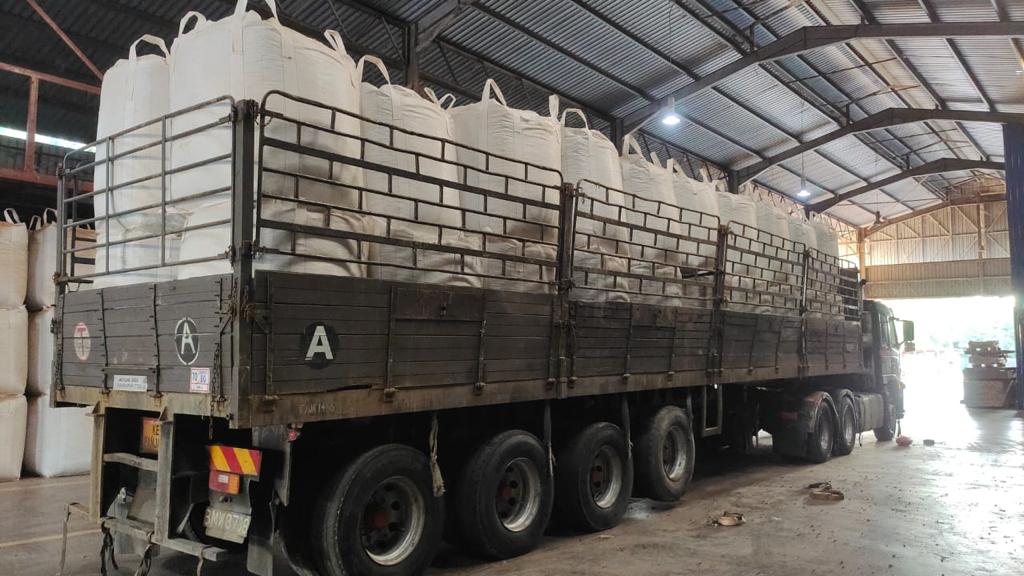
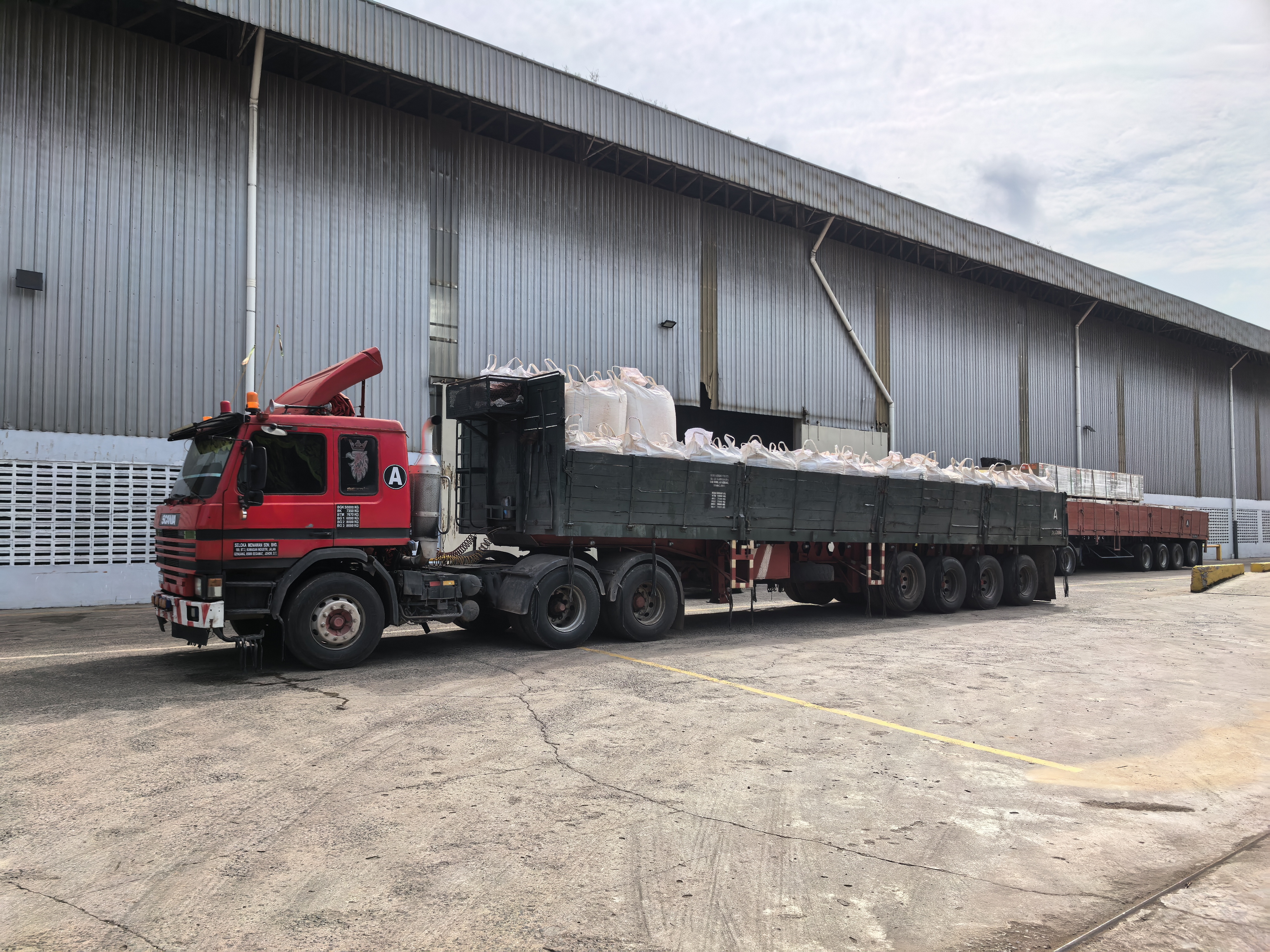
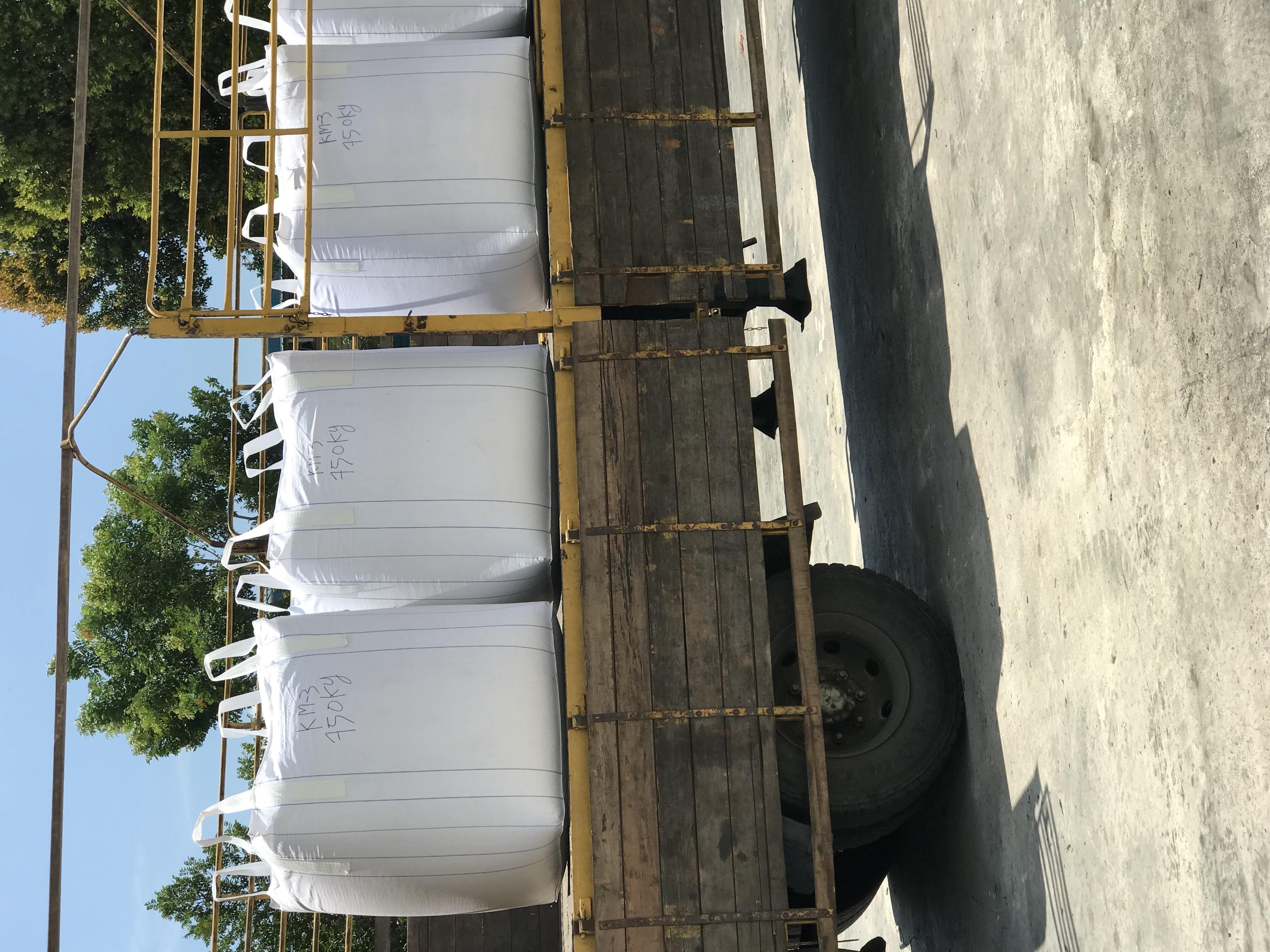
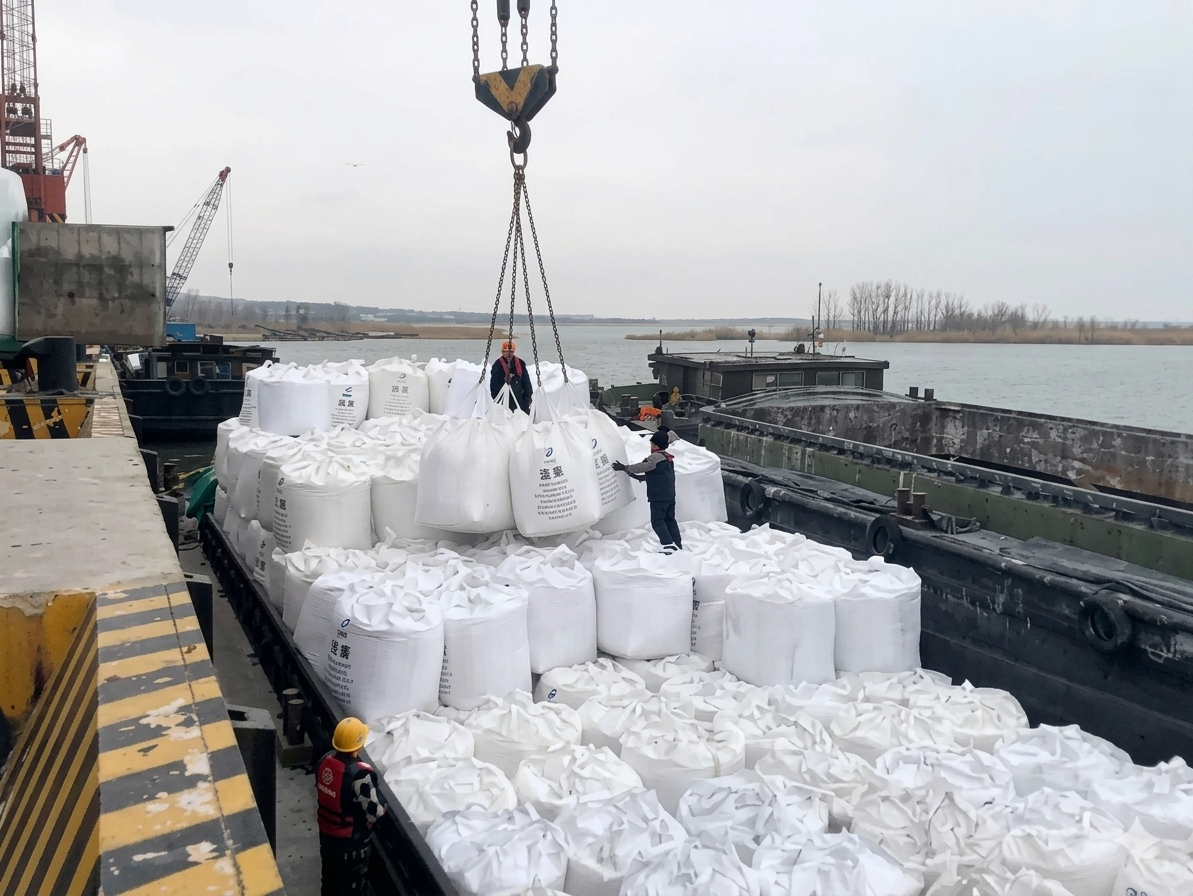
The barge is fully loaded with industrial jumbo bags (FIBCs), each securely containing bulk cargo for efficient inland waterway transport.